
Feeding Therapy
Helping Kids Build a Positive Relationship With Food
Eating is an important part of everyday life, but when a child struggles with eating or has a limited range of accepted foods, mealtimes can become stressful for the entire family. At Growing in Motion, we understand these challenges and work closely with both children and parents to develop a family-centered plan that meets each child's unique needs.
Some children eat only a handful of familiar foods, while others struggle with chewing, swallowing, different textures, or trying unfamiliar foods. Some become overwhelmed by the sights, smells, and sensations associated with eating. We take time to understand what your child enjoys eating, what foods they avoid, and the underlying challenges that may be making mealtimes difficult.
Using the SOS (Sequential Oral Sensory) Approach to Feeding, our therapists combine play, exploration, and a systematic approach to gradually build comfort and confidence with food. We make feeding therapy fun and engaging while helping children develop important feeding skills and expand the variety of foods they are comfortable eating.
Our goal is to make eating a more positive experience for children and families, one new experience at a time!
Food Selectivity and Picky Eating
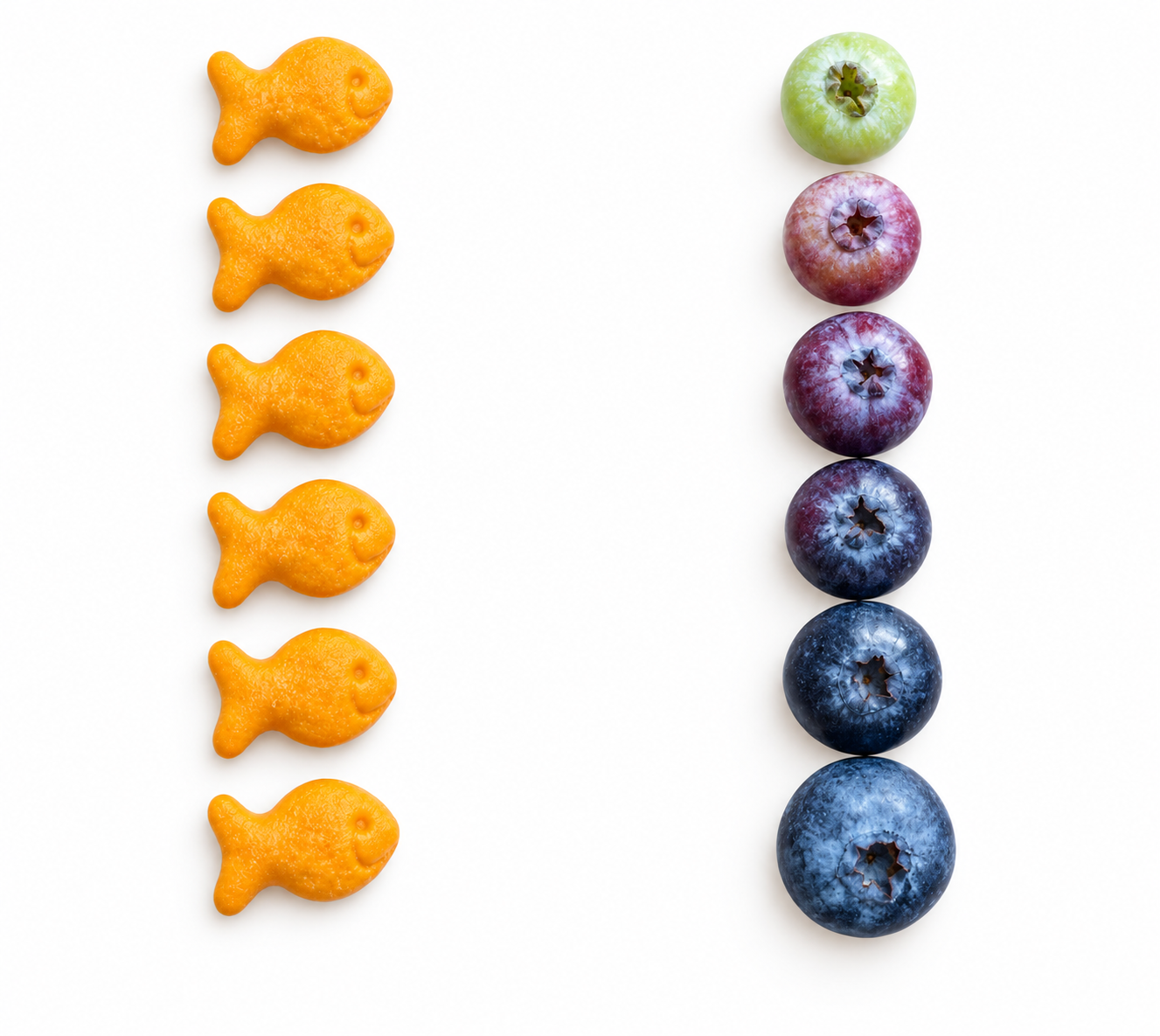
Question: What’s the Difference Between a Small Snack Like Blueberries and Goldfish?
Answer: EVERYTHING!
Why Are Goldfish Crackers Easier to Eat Than Blueberries?
At first glance, both foods seem relatively simple to eat. However, Goldfish crackers are very predictable, while blueberries present a much bigger challenge for children who have difficulty with feeding.
Goldfish crackers are consistent. Blueberries are not!
Goldfish Crackers
Same shape: Every cracker looks almost identical.
Same texture: They are dry, crunchy, and predictable.
Same taste: Each bite offers a familiar flavor.
Same chewing experience: Children can learn one chewing pattern and use it over and over. Goldfish can easily breakdown in your mouth with minimal chewing.
Predictable: Children know exactly what to expect with every bite.
Blueberries
Different sizes: Some are tiny, while others are much larger.
Different colors: They range from green and pink to purple and deep blue.
Different textures: Some have firmer skins, while others are softer.
Different tastes: Some are sweet. Some are tart.
Different chewing experiences: Some burst easily, while others require more chewing and management inside the mouth. You also require a more advanced rotary chew to breakdown the skin of a blueberry.
What Does This Mean for Feeding Therapy?
A child may happily eat an entire serving of Goldfish crackers but refuse a handful of blueberries. It's not necessarily stubbornness or simply being picky. Blueberries introduce variability and uncertainty with every bite.
We take small steps in feeding therapy. We make small changes. We give a playful nudge, but we don’t force feed children. That doesn’t work. Through play, we help them increase the variety of foods they will try.
Children prefer specific brands, colors, textures, temperatures, or food presentations. Introducing something unfamiliar can lead to anxiety, frustration, or complete refusal.
We help children:
Explore new foods without pressure.
Become comfortable with different textures, smells, colors, and tastes.
Expand their food choices and variety.
Tolerate changes in familiar foods and food presentation.
Develop confidence and curiosity around eating.
Oral Motor Skills
Eating is a surprisingly complex motor skill! Children need coordinated movements of their lips, tongue, jaw, and cheeks to manage food safely and efficiently. Some children have difficulty chewing, moving food around their mouths, drinking from cups, or managing different food textures.
When children don’t feel safe eating a food, they won’t eat it.
What’s the Difference Between Eating a Potato Chip and a Puff?
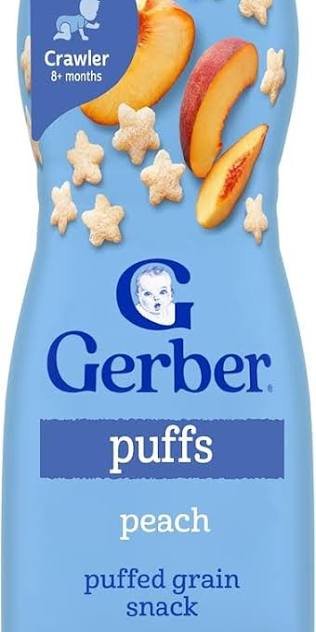
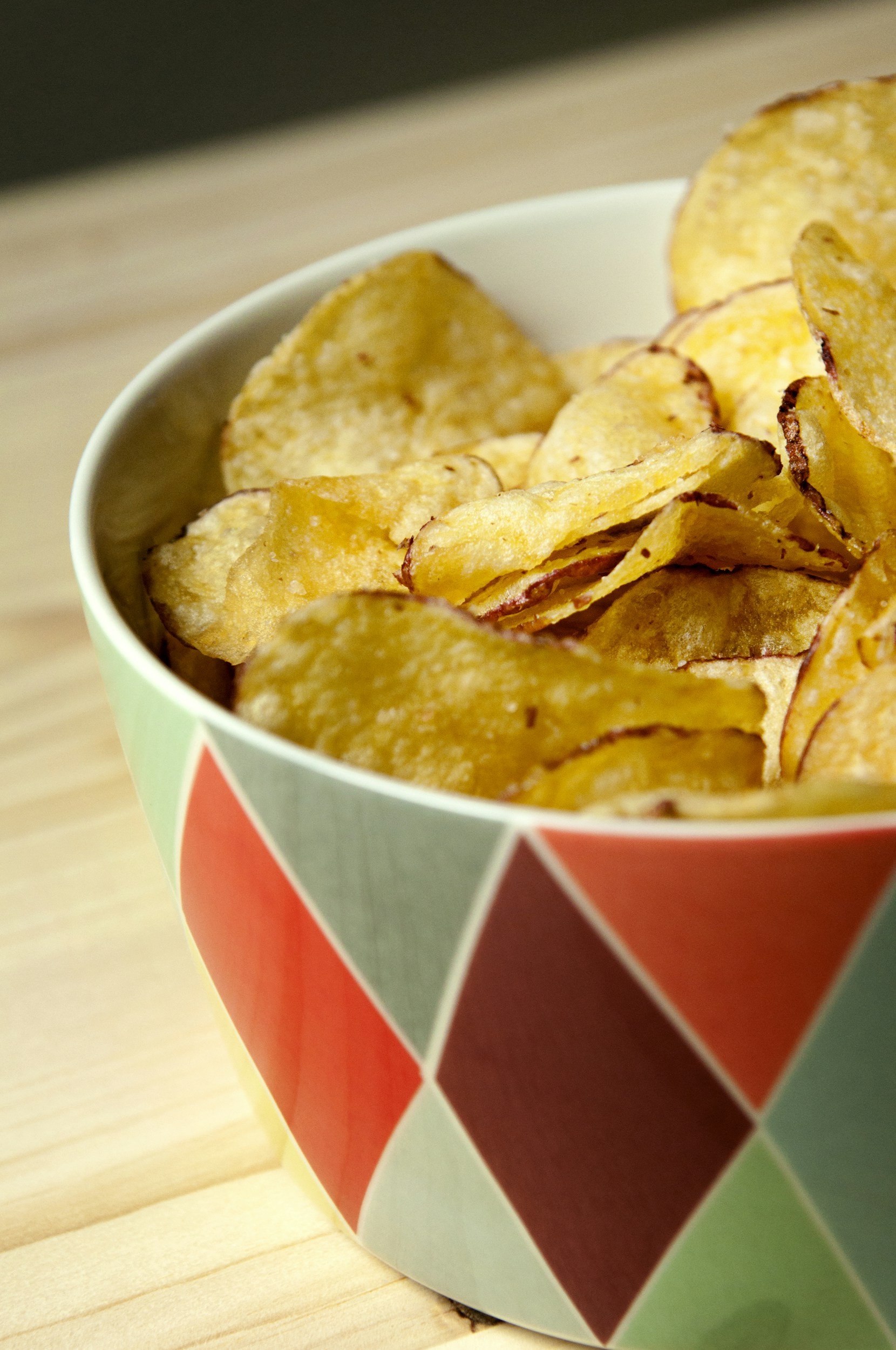
Answer: The oral motor skills required to eat them! That’s what you were thinking right?
There’s a reason why infants and toddlers don’t really like potato chips. When you bite a potato chip, it will explode in your mouth. You’ll see a child with poor oral motor control begin to gag and they try to understand and control the food in their mouth. Puffs are different. They don’t explode. Even when you chew a puff or mash it with your tongue, it doesn’t move. Children learn how to control the food with simpler foods like this.
More Complex Foods, Eating a Carrot
It’s not easy to eat a carrot. It requires good tongue lateralization. Tongue lateralization is step 2 below. Your tongue takes the food and moves it in place for chewing. Step 4 is the rotary chew. A good rotary chew is required for chewing foods like meats, raw vegetables, and fruit with skin. Take a look at the steps to eating a carrot below.
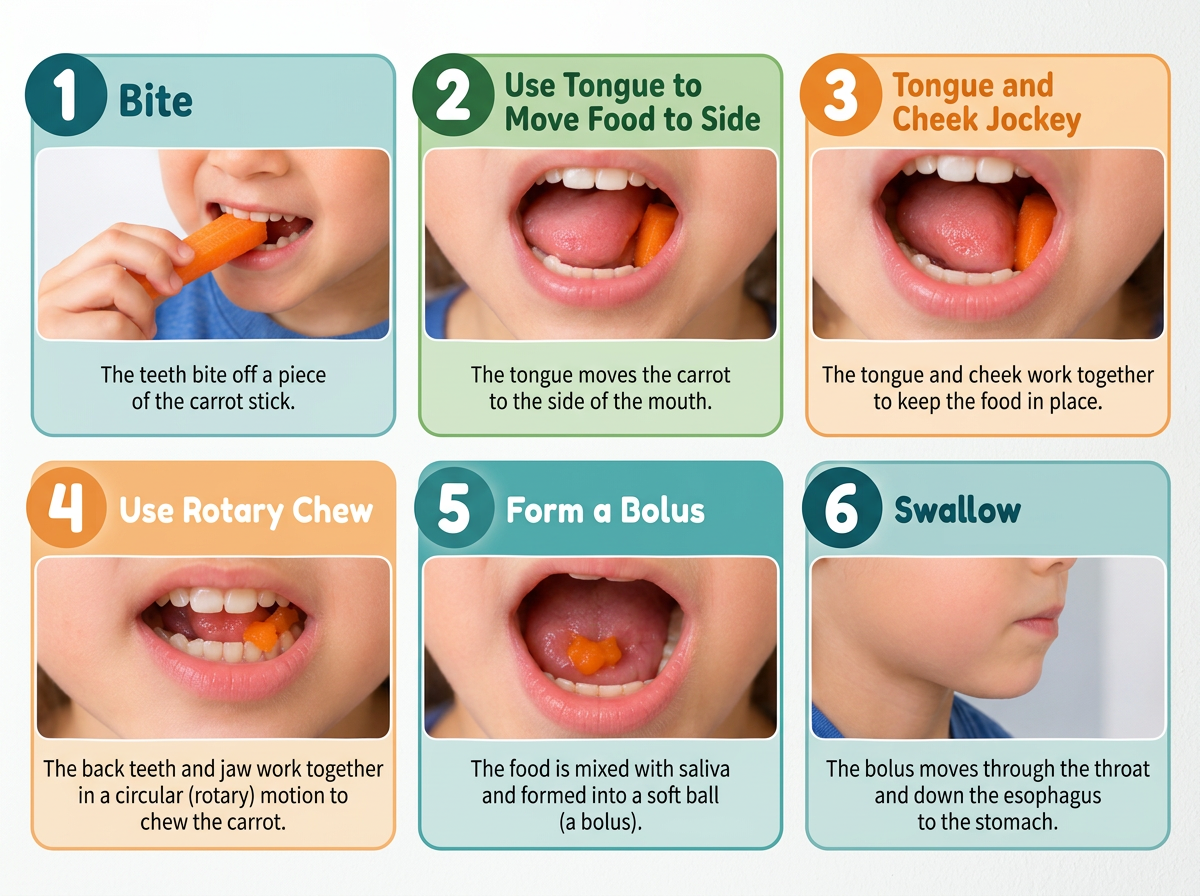
To help children expand their range and variety of food’s they want to try, it may be important to work on:
Jaw strength, stability, and coordination.
Tongue movement and coordination.
Lip closure and control.
Chewing patterns and food breakdown.
Moving food from the front to the back of the mouth.
Developing age-appropriate drinking and eating skills.
We help children develop the oral motor skills needed to safely and successfully manage a wider variety of foods.

Sensory-Based Feeding Challenges
Sometimes eating is just too much!
Eating involves all of our senses. The smell of a food, its texture, temperature, appearance, or even the sound it makes can influence whether a child is willing to try it.
We help children:
Explore unfamiliar foods through touch, smell, and play.
Become more comfortable with different food textures.
Tolerate messy hands and different food sensations.
Gradually build familiarity with unfamiliar foods.
Develop positive sensory experiences around mealtimes.
The S.O.S. (Sequential Oral Sensory) Approach to Feeding

Did you know…?
There are more than 30 steps to eating! Often times we want to skip right to the end and have children “just eat” the food, but in the process key steps are being by-passed. Following the SOS method, our therapists will help your child to progress through the hierarchy of eating, starting with something as simple as visually tolerating the food sitting on the plate. The Steps to Eating Model illustrated here is an abbreviated version of the systematic feeding approach developed by Dr. Kay Toomey.
Our therapists incorporate the principles of the SOS Approach to Feeding (Sequential Oral Sensory), a therapeutic approach that helps children gradually become more comfortable with food. Rather than expecting a child to immediately take a bite, we recognize that feeding progress involves a series of steps. We use play, exploration, and positive experiences to help children develop comfort and confidence with new foods.