Who We Help
Every child is different. That’s where we come in.
Maybe your child is struggling with communication. Maybe getting dressed turns into a daily battle. Maybe they avoid certain foods, have trouble at community events, or have endless energy and struggle to sit still.
At Growing in Motion, we provided individualized treatment for children to help them build the skills they need to play, learn, communicate, move, participate, and become more independent.
We work with children of all abilities and meet them where they are!
Does this Sound like Your Child?
Play & Social Challenges
Difficulty joining other children in play
Preferring to play alone
Difficulty taking turns or sharing
Trouble understanding social cues
Difficulty with pretend or imaginative play
Challenges developing age-appropriate play skills
Sensory Processing Challenges
Strong reactions to sounds, textures, smells, or clothing
Difficulty tolerating haircuts, nail trimming, or getting dressed
Seeking constant movement, crashing, jumping, or spinning
Becoming overwhelmed in busy or unfamiliar environments
Seeming to need more—or less—sensory input than other children
Speech & Language Difficulties
Difficulty expressing wants and needs
Trouble understanding directions
Speech that is difficult for others to understand
Difficulty finding the right words
Challenges with conversation or social communication
Motor & Coordination Difficulties
Difficulty running, jumping, climbing, or navigating playground equipment
Frequent tripping or bumping into things
Difficulty learning new sports or physical activities
Trouble coordinating both sides of the body
Challenges with balance, strength, or motor planning
Attention, Regulation & Participation
Difficulty staying focused
Constantly on the move
Big reactions to seemingly small problems
Difficulty transitioning between activities
Trouble calming their body
Difficulty participating at home or school
Everyday Independence
Your child may need help with:
Getting dressed
Brushing teeth
Using the bathroom
Feeding themselves
Managing a backpack
Following daily routines
Organizing belongings
Completing age-appropriate chores
Becoming more independent at home and school
Fine Motor & Handwriting Challenges
Difficulty holding or controlling a pencil
Messy or tiring handwriting
Trouble using scissors, buttons, zippers, or utensils
Difficulty with coloring, drawing, or crafts
Avoiding activities that require their hands
Feeding & Mealtime Challenges
Extremely limited food choices
Strong reactions to textures, smells, or appearances
Difficulty chewing or managing different foods
Anxiety or frustration around mealtimes
Difficulty becoming comfortable with new foods
We Work With Children With a Variety of Needs
Apraxia • Articulation Difficulties • ADHD • Auditory Processing Disorder • Autism • Brain Injury • Cerebral Palsy • Developmental Delays • Down Syndrome • Dyspraxia • Feeding Difficulties • Fluency • Genetic Conditions • Learning Difficulties • Low Tone and High Tone •Motor Coordination Difficulties • Neurological Conditions • Oral Motor Challenges • Receptive and Expressive Language • Sensory Processing Differences • Social Communication Challenges •Speech & Language Delays • Stuttering
Life Goals!
〰️
Life Goals! 〰️
I want my child to get dressed independently.”
“I want her to be able to go to school without getting frustrated.”
“I want him to play with his friends.”
“I want my child to eat more than five foods.”
“I want her to tell me what she needs.”
“I want him to get to be able to transition through the day with becoming overwhelmed.”
Those are the goals that matter.
Therapy is about helping children use their skills in the places that matter most—at home, at school, on the playground, at the dinner table, and with their friends.
Question: What does the Therapy Look Like?
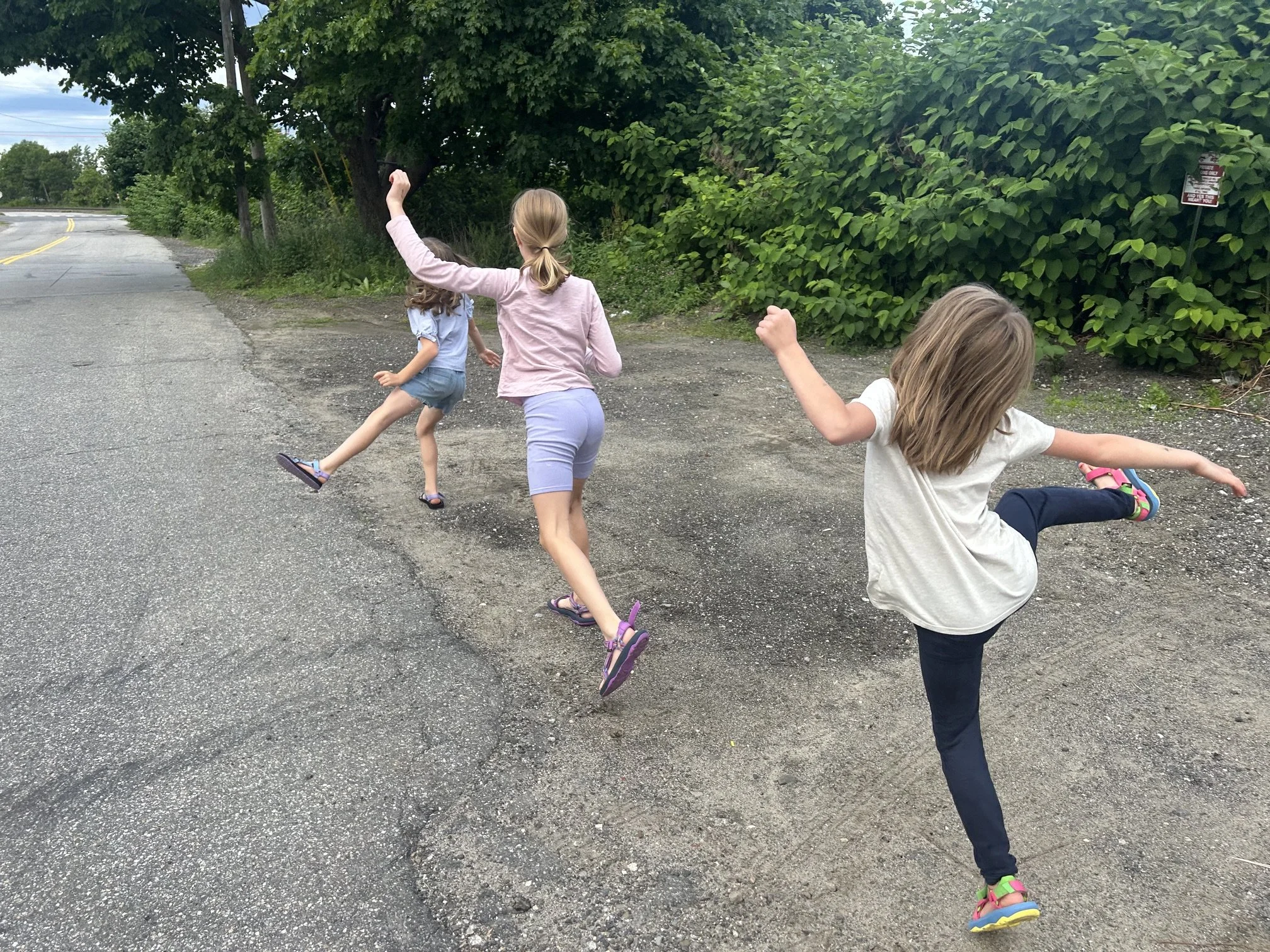
Answer: It might actually look just like play… Hang on though… there is a method to our madness!
Therapy Should Feel Like Something Kids Want to Do!
We believe children learn best when they're engaged, motivated, and having fun.
That's why our therapists use play, movement, games, creativity, and activities that are meaningful to each individual child.
A child working on balance might travel across a bridge through a Mario-inspired adventure, without even realizing they're practicing balance and coordination.
A child working on strengthening might climb across a rock-wall to retrieve small aliens stuck in green goop without realizing they’re working on motor planning, and hand strengthening.
A child working on communication might be busy playing Pop the Pig while practicing how to express ideas, take turns, and interact with others.
A child navigating obstacles to save their small turtle friends while swinging, climbing, jumping, or crashing into a crash pillow without realizing the objective is to help them regulate their body so they can attend and maintain focus on a fine motor activity next.
That's intentional.
When children are having fun, they're more likely to participate, practice, take risks, and try again.
Learn More About Our Therapies!